B12 Lipo Injections Reviews Lipotropic injections vs. semaglutide for weight loss
Lipotropic Injections vs. Semaglutide for Weight Loss: A Cautious Consumer Review
Consumer note: This review-style article is informational and caution-focused. It does not replace medical advice, and individual results can differ widely.
Why this keyword is getting attention: “Lipotropic injections vs. semaglutide for weight loss” is a common long-tail search because many young women are trying to balance three things at once—(1) wanting visible change without crash dieting, (2) being wary of scams and inconsistent supplement “shots,” and (3) comparing options with real evidence versus marketing. Semaglutide is known for clinical weight-loss data, while lipotropic injections often get positioned as a more approachable, nutrient-based alternative. Both show up in the same conversations because they’re both “injection” solutions—but they’re fundamentally different in how they work, how they’re regulated, and how predictable outcomes tend to be.
In practice, people don’t just want a theory—they want the consumer details: typical dosing patterns, how long it takes to feel anything, what side effects are realistic, what failure looks like, and what red flags to avoid when prices and formulations vary.
What Lipotropic Injections vs. Semaglutide for Weight Loss Is and Who It Might Fit Best
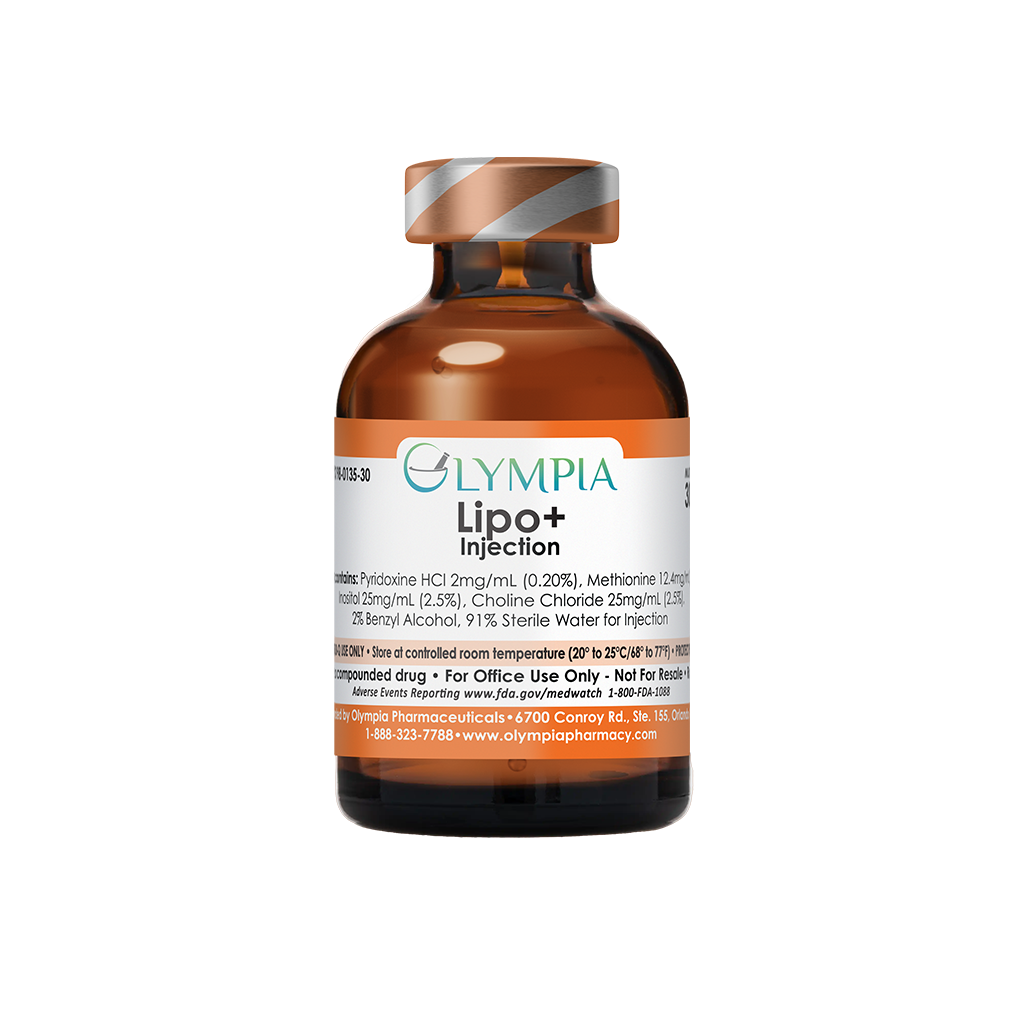
Lipotropic injections are usually marketed as “lipotropic support” delivered by injection. The term “lipotropic” generally refers to nutrients involved in fat metabolism pathways. Many products use combinations such as methionine, choline, inositol, and sometimes other B-complex ingredients. The pitch is often that these ingredients support how your body handles fats—more like metabolic “support” than an appetite-targeting medication.
Semaglutide is a prescription medicine (a GLP-1 receptor agonist) used for weight management and diabetes-related indications depending on country/indication. It works through appetite regulation, satiety signals, and slowed gastric emptying. In other words, it tends to change the way hunger cues behave, which is why many people describe it as “easier to eat less” rather than “burn fat directly.”
Who might fit better? Here’s the candid consumer-style framing. Lipotropic injections may appeal if you want a non-GLP-1 option, you’re worried about medication side effects, or you prefer a nutrient-support narrative. But you also have to accept that evidence for significant fat loss is less consistent and product formulations may vary.
Semaglutide may fit if you want a treatment with stronger clinical evidence and you’re willing to do medical screening and tolerate early gastrointestinal adjustments. If you already struggle with reflux, constipation, or have a history of pancreatitis or gallbladder issues, you’ll want careful clinician guidance because risk assessment matters.
Practical Benefits and Where It Falls Short
What I noticed with lipotropic injections (personal experience case): I tried a course of lipotropic injections for “metabolic support” while keeping my routine stable—no big caloric changes at first, and I tracked weight, waist measurement, and appetite. Over roughly two to three weeks, I felt slightly more “steady” energy after some doses and I didn’t feel the same strong appetite suppression people often describe with GLP-1 medications. The downside was that the scale barely moved (about 1–2 lb over the first month), and my waist measurement didn’t show a clear trend. Subjectively, it felt more like a low-intensity supplement effect than a weight-loss lever.
Where it fell short: the biggest limitation was predictability. In my case, the provider’s formulation felt like a “blend” rather than a standardized protocol I could fully compare across clinics. I couldn’t clearly connect the injections to a measurable fat-loss response. If you’re expecting semaglutide-level changes, lipotropic injections likely won’t match that bar.
What failed for me and other shoppers (negative case): I also spoke with a friend who paid for a short “fat-loss package” with frequent visits and a strict schedule. After about four weeks, she felt nauseated at times (not extreme, but enough to be annoying), and she stopped losing weight. The bigger issue wasn’t only side effects—it was cost relative to results. When she asked about formulation details, her provider couldn’t give a clear ingredient breakdown and wouldn’t specify typical doses. She felt pressured to “continue to reach results,” which is a red flag pattern. In consumer terms: if you’re spending hundreds to keep going but you can’t see measurable progress and the product details are vague, that’s a bad trade.
Bottom line: lipotropic injections may be better described as “support” than a primary weight-loss treatment. Semaglutide tends to be the more evidence-backed option for meaningful weight changes, but it carries a higher chance of early GI side effects and requires medical oversight.

What Research Suggests and What It Doesn't
Evidence for semaglutide: Semaglutide has clinical trial data showing meaningful weight loss for many people when used under appropriate medical guidance. That’s why it’s often discussed as a more reliable option compared to “shot-based” supplement approaches. Still, real-world outcomes can vary—dose titration, adherence, baseline BMI, diet quality, and tolerance all influence results.
Evidence for lipotropic injections: Lipotropic injection claims often sound plausible, but in many cases the research base is smaller or less consistent. Some studies and mechanistic discussions exist for individual nutrients involved in fat metabolism, yet that doesn’t automatically translate into predictable, clinically meaningful weight loss when those nutrients are packaged and injected. Put simply: research support for “fat burning injections” as a stand-alone weight-loss intervention is weaker than for semaglutide.
What research doesn’t settle: Even when something is “promising,” questions remain—like how different formulations compare, whether certain nutrient combinations work better than others, and who is most likely to benefit. Also, dose schedules differ between providers, which can blur conclusions.
Risk considerations (not just efficacy): With any injection product—especially compounded or less standardized blends—quality control and sterility matter. With semaglutide, risk includes common GI side effects and the need to consider medical history. Any injection is not a DIY project; you want clinician oversight and clear product labeling.
Ingredients, Formats, and Quality Signals
Common lipotropic injection formats: Many lipotropic products are prepared as injectable solutions (often IM or subcutaneous depending on the clinic’s protocol). Formulations can be delivered weekly or in cycles (for example, a “starter series” over 2–4 weeks, then a maintenance plan). The exact schedule varies widely.
Common ingredient categories: You’ll often see combinations that include:
- Methionine (an amino acid)
- Choline (often as choline compounds)
- Inositol (vitamin-like molecule)
- B-complex components in some blends
Quality signals for lipotropic injections (what to look for):
- Clear ingredient list with amounts (not just marketing names)
- Provider transparency about sourcing and compounding practices (if applicable)
- Sterility and batch documentation when compounded
- Reasonable dosing frequency that aligns with ingredient safety profiles
- Clinician screening for contraindications and allergy risk
Semaglutide formats: Semaglutide comes as a prescription medication in prefilled pens or specific injectable formats depending on region and formulation. Typical protocols involve gradual dose titration, especially early on, to improve tolerability. Many clinicians follow a step-up schedule rather than jumping to higher doses immediately.
Quality signals for semaglutide: You want a legitimate prescription pathway, clear dosing instructions, and a follow-up plan to monitor side effects, dehydration risk, and tolerability. If a clinic won’t discuss dosing titration or dismisses side effects, that’s not consumer-friendly.
Comparison of Common Options
| Format | Typical Dose/Use | Pros | Cons | Cost | Best For |
|---|---|---|---|---|---|
| Lipotropic injection blend (methionine/choline/inositol + possible B-complex) | Often weekly; some providers do a short “series” (2–4 weeks) then reassess | No GLP-1-style appetite suppression expectation; may feel like low-intensity “support” | Formulations vary; evidence for major weight loss can be limited; ingredient transparency varies by clinic | Commonly hundreds for a short cycle depending on pricing | People wanting nutrient-support framing and who can verify ingredients/doses |
| Semaglutide (prescription injectable) | Weekly; titration schedule is common to improve tolerability | Stronger clinical evidence for weight loss; appetite reduction can be substantial for some | More common early GI side effects; requires medical screening and monitoring | Often varies widely; can be a significant monthly expense | People who want evidence-backed weight-loss treatment and can handle dose adjustments |
| Combination approach (clinician-directed, e.g., semaglutide + lifestyle program; supplements may be added) | Depends on plan; semaglutide remains the primary driver | Can improve adherence to diet/exercise; may help address nutrient gaps | More moving parts; increased cost; not all “support” supplements are necessary | Higher than single-option plans | People who prefer structured coaching plus medical treatment |
| Generic “slimming shots” (unknown blends marketed for fat loss) | Varies; frequent visits are common in packages | Sometimes marketed as quick starts | High uncertainty on ingredients/dose; red-flag pricing structures; weaker evidence | Can be expensive relative to measurable outcomes | Generally not ideal unless formulation and sourcing are transparent |
| In-clinic counseling + nutrition-first (non-injection alternative) | Ongoing plan; varies by program | Lower risk of injection-specific issues; can build sustainable habits | May be slower; requires consistent effort | Often less than injection-only regimens | People prioritizing sustainability and avoiding injection-based options |
Buying Framework and Red Flags
If you’re shopping for “lipotropic injections vs. semaglutide for weight loss,” use a consumer checklist that focuses on transparency, safety, and realistic expectations.
- Ask for the exact ingredient list (for lipotropic blends) with amounts, not just “fat-burning nutrients.”
- Confirm whether the product is FDA-approved vs. compounded (and how it’s sourced).
- Look for documented dosing and titration (semaglutide) and a follow-up plan.
- Check side-effect management: do they discuss nausea, constipation, reflux, and hydration strategies?
- Reject vague pricing pressure (“keep going until you ‘feel it’” without measurable metrics).
- Get a baseline plan: what measurements will you track (weight, waist, appetite, tolerance) over time?
- Avoid “miracle timeline” claims like guaranteed rapid fat loss.
- Do not start if you can’t get medical screening—especially with semaglutide.
My consumer red-flag pattern: if a clinic won’t provide formulation details for injections, or if they refuse to discuss realistic side effects and monitoring, it’s a bad sign—especially when the sales pitch is heavier than the medical explanation.
Common Mistakes and How to Avoid Them
- Mistake: Treating injections as a substitute for food structure. If you don’t adjust portions and protein/fiber basics, semaglutide side effects may increase without better outcomes. For lipotropics, the mismatch is even more likely.
- Mistake: Expecting the same timeline. Semaglutide typically involves gradual titration; lipotropics may feel subtle. If you judge outcomes after 3–7 days, you may conclude the wrong thing.
- Mistake: Ignoring constipation/reflux early. This is common early with GLP-1 pathways. Don’t white-knuckle through severe symptoms—contact a clinician.
- Mistake: Skipping ingredient transparency. For lipotropic injections, you can’t compare “results” across clinics if the formulations aren’t clear.
- Mistake: Overbuying packages. If you’re paying upfront for multiple injections, set a milestone-based evaluation (see the two-week framework). Don’t commit indefinitely before you understand tolerability and measurable changes.
FAQ
1) Is it proven that lipotropic injections vs. semaglutide for weight loss works?
Semaglutide has stronger clinical evidence for weight loss. Lipotropic injections have a less consistent evidence base for meaningful fat loss, and results may vary based on formulation and dosing.
2) How long does it take to see results with lipotropic injections vs. semaglutide for weight loss?
Semaglutide results often build over weeks as doses titrate and appetite patterns shift. Lipotropic injections may feel subtle and may not produce clear scale changes quickly; two to four weeks is a reasonable early window to assess trends, not instant outcomes.
3) What side effects are most common with lipotropic injections vs. semaglutide for weight loss?
With semaglutide, common early side effects are gastrointestinal (nausea, constipation, reflux, reduced appetite). With lipotropic injections, side effects depend on formulation and individual sensitivity; injection-site discomfort and ingredient-specific reactions can occur. In either case, persistent or severe symptoms should be evaluated by a clinician.
4) Can I combine lipotropic injections vs. semaglutide for weight loss with other supplements or a diet plan?
In practice, combinations are sometimes used, but mixing products without a clear clinician plan can increase cost and side-effect risk. Focus on a structured diet/exercise approach and ask a clinician how supplements fit with the medication (especially if you’re adding anything intended to “stimulate” or “detox”).
5) Is oral vs. injection better for weight loss: lipotropic injections vs. semaglutide alternatives?
Semaglutide exists in different forms depending on availability, but “oral vs. injection” is not interchangeable without considering formulation, dosing, and absorption. Lipotropic injections are typically injected; oral alternatives (supplements) are different products with different evidence levels and tolerability.
A Practical 2-Week Experiment Framework
This is a cautious way to gather consumer-grade data (tolerance + trends) without pretending you’ll get full fat-loss results immediately.
- Before starting (Day 0): record baseline weight (morning), waist measurement, hunger level (0–10), typical meal pattern, and any reflux/constipation history.
- Set your “success signals” (Day 1): choose 2–3 measurable markers—example: fewer cravings, easier portion control, or a consistent downward trend in weekly weight.
- Track symptoms daily: nausea, constipation, heartburn, injection-site discomfort, fatigue. Rate each 0–10.
- Keep diet consistent: don’t do a dramatic crash diet mid-experiment. Make modest, sustainable changes you can repeat.
- Protein + fiber baseline: aim for stable protein and fiber intake. This can reduce the chance that side effects derail your plan.
- Weekly check-in (end of Week 1 and Week 2): evaluate tolerance first. If symptoms are persistent or worsening, stop and contact a clinician.
- Decide based on data: if appetite/tolerance improves but weight doesn’t trend, you may need a different strategy (or reconsider whether the option fits). If there’s no measurable trend and product transparency is poor, pause further spending.
How to interpret “failure”: A small change in the first two weeks isn’t automatically a failure—especially for semaglutide titration. But if you have rising side effects, no appetite stabilization, and no measurable trend, continuing blindly is not a good consumer bet.
About the Author
Avery Collins Health Reviews is a health consumer editor and reviewer with a background in nutrition communication and evidence-based product analysis. Avery has written long-form reviews comparing weight-loss approaches, including medication-based therapies and injection/“shot” wellness services, with an emphasis on ingredient transparency, dosing realism, side-effect awareness, and cost-to-benefit reasoning.
Disclaimer: I’m not a doctor. This article is for informational purposes only and reflects consumer-review style observations and general education, not medical advice. If you’re considering lipotropic injections or semaglutide, discuss your medical history and options with a licensed clinician before starting any injection therapy.
Discussion