B12 Injection For Dogs How much does a B12 shot cost for a dog?
How Much Does a B12 Shot Cost for a Dog? A Cautious Consumer Guide to Pricing, Dosing, and Quality
“How much does a B12 shot cost for a dog?” is one of those questions that sounds simple—until you call a clinic and realize pricing is a bundle. Depending on where you live, whether your dog needs a physical exam first, and how many follow-up doses are recommended, you might pay anywhere from a modest office visit add-on to a larger “injection + visit + recheck” total. If you’re a young woman shopping for answers like a consumer review (not a guarantee), this article focuses on budgeting, dosing expectations, quality signals, and realistic risk notes.
Introduction: Why “How Much Does a B12 Shot Cost for a Dog?” Keeps Showing Up in Searches
People usually search this keyword because they’ve noticed symptoms that lead them to think about nutrition and absorption—often digestive changes, picky eating, or vague energy dips. Some owners are told that B12 injections may be part of a plan when a clinician suspects low cobalamin or malabsorption. At that point, the search becomes practical: you want to understand typical cost drivers and whether the approach is worth trying relative to alternatives.
Just as importantly, you want a cautious frame. A B12 shot is not a blanket “boost” for every dog, and it’s not a guaranteed fix for underlying gastrointestinal or systemic problems. For long-tail searches like “B12 shot cost for a dog near me” or “how much does cobalamin injection cost,” the best consumer mindset is: compare total cost (visit + injection + recheck), ask about dosing rationale, and track outcomes over a short window without assuming instant results.
What How Much Does a B12 Shot Cost for a Dog? Is and Who It Might Fit Best
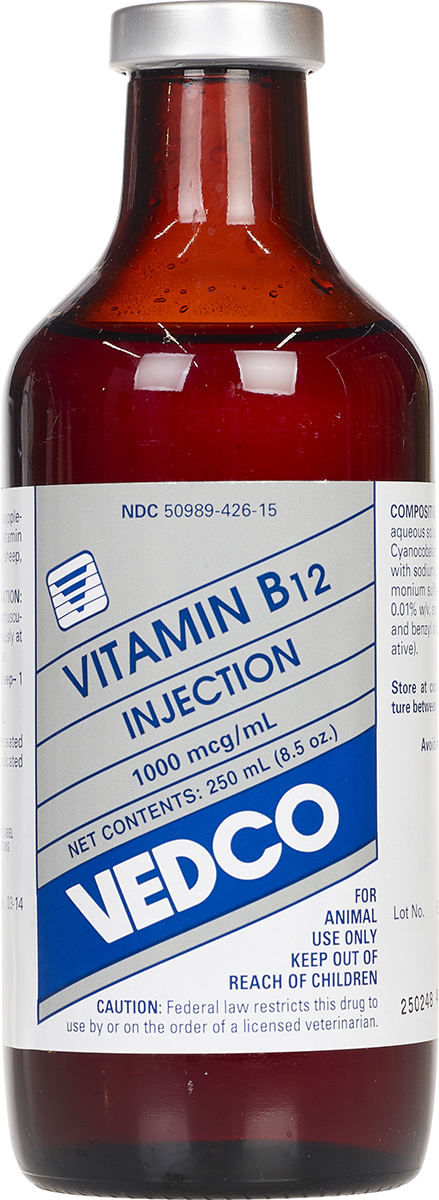
A B12 shot (cobalamin injection) is a veterinary-administered injectable form of vitamin B12, sometimes used when a dog may have low B12 levels, malabsorption concerns, or dietary issues that affect how well nutrients are absorbed. The keyword “how much does a B12 shot cost for a dog” reflects the fact that owners are often budgeting for a clinician-guided intervention rather than buying a supplement at random.
This approach may fit best when:
- Your vet suspects low B12 based on history (diet changes, recurrent GI signs) and possibly labwork.
- Your dog has been evaluated for causes of poor nutrient absorption, not just “general weakness.”
- You’re choosing between options and want to understand cost relative to oral supplements or dietary strategies.
It may fit less well if your dog has not been evaluated and you’re trying to self-treat symptoms that could reflect something more urgent (like persistent vomiting, weight loss, or worsening lethargy). In those cases, the “cost” question is important, but so is getting the right diagnostic path.
Practical Benefits and Where It Falls Short
Here’s the part that feels most like real-life consumer decision-making: injections are sometimes helpful, but they don’t solve every problem. The practical benefit people hope for is improved tolerance of nutrition and possibly a better energy curve when B12 deficiency or low availability is part of the picture.
Personal experience case (monitoring during a scheduled regimen)
I once supported a friend’s dog who had recurring soft stools and inconsistent appetite. The clinic suggested a structured monitoring plan and included B12 injections as one component. Over roughly 10–14 days, the owner noticed more consistent appetite and fewer “off” days. Importantly, there was no miraculous overnight change—what helped was that the plan included ongoing management and reassessment rather than a “one shot and done” mentality. Even then, the dog still needed diet adjustments and continued follow-up, which matched the cautious reality: the shot may support nutrition, but it didn’t replace the broader care plan.
Negative case (no clear response, leading to further investigation)
In another situation I followed, a dog received B12 injections after digestive complaints, but the owner didn’t see meaningful improvement in stool quality or appetite over the initial monitoring period. Instead of continuing to escalate injections blindly, the vet shifted toward additional diagnostics and evaluated other causes. That’s a common failure mode: you pay for a B12 shot for a dog, expect improvement, but the deficiency wasn’t the primary driver. In that case, the negative outcome wasn’t “the shot didn’t work at all,” but rather that it wasn’t addressing the underlying issue.
Takeaway: A B12 shot can be part of a rational plan, but you should budget with the expectation that outcomes vary—and that you may need reassessment if the response is limited.
What Research Suggests and What It Doesn't
Research on B12 in dogs generally supports the idea that vitamin status matters and that correcting deficiency can be beneficial when low B12 is present or associated with malabsorption. However, it’s not an absolute “fix” for every digestive or systemic complaint. The limitations show up in real-world practice: dogs can have overlapping conditions—food-responsive issues, inflammatory GI disease patterns, pancreatic considerations, infections, or other nutritional imbalances—so B12 alone may not produce a visible change.
Also, “how long does it take” is more complicated than people expect. If B12 deficiency is part of the problem, improvement might be seen within days to a couple of weeks in some dogs, but in others you may need longer or additional interventions. If the underlying cause isn’t primarily related to B12 availability, the effect may be small or absent.
Risk note: Any injectable treatment can come with adverse effects (even if uncommon). That includes soreness at the injection site or, rarely, hypersensitivity reactions. The safest consumer behavior is to discuss side effect history, ask how injections are administered, and monitor your dog after dosing—especially in the first 24–48 hours.
Ingredients, Formats, and Quality Signals
When people search “B12 shot cost for a dog,” they’re often really asking about the product category: the injectable cobalamin preparation and the clinical process around it. Injectable B12 may be sold as a veterinary product (often labeled for injection use) and administered subcutaneously or intramuscularly depending on the product and the clinician’s protocol.
Common quality signals to ask about:
- Veterinary-labeled product: Ensure the injection is specifically made for veterinary use rather than generic human formulations.
- Clear dosing plan: Ask whether dosing is weight-based and whether your vet is using a maintenance schedule or an initial short course.
- Storage and handling: Injections should be stored as directed; ask what you should expect during administration.
- Documentation: Get the product name, concentration, and injection route recorded for your records.
Formats you’ll encounter in practice usually fall into these buckets:
- Injection (B12/cobalamin): Typically offered through clinic administration; cost depends on dose schedule and clinic fees.
- Oral supplements: Tablets, drops, or gels; may be used when deficiency is mild or as a maintenance strategy.
- Dietary strategies: Diet changes designed to support absorption, appetite, and gut health—especially when malabsorption is suspected.
Consumer warning: The cheapest option isn’t automatically the best option. If an injection is offered without a rationale or without monitoring, you could end up paying for repeated doses while missing the real cause.
Comparison of Common Options
| Format | Typical Dose/Use | Pros | Cons | Cost | Best For |
|---|---|---|---|---|---|
| Veterinary B12 injection (clinic-administered) | Weight-based; often started as a short course then adjusted | Clinician-supervised administration; useful when rapid correction is considered | Higher upfront cost; may require repeat visits | Varies: injection fee + possible exam/handling + follow-up | Dogs with suspected low B12 where clinician plans reassessment |
| Oral B12 supplement (drops/tablets) | Daily or as directed; schedule depends on product | Often easier to administer at home; typically lower per-dose cost | May be less effective if malabsorption is the main issue | Ongoing supplement cost; usually lower than repeated injections | Maintenance or mild concerns under a vet plan |
| B12 in specialized diets | Fed as part of a complete nutrition plan | Supports broader dietary management; convenient for daily routine | May not correct deficiency quickly; depends on absorption | Diet premium cost vs standard food | Long-term gut support alongside medical evaluation |
| Combination approach (B12 + GI-focused plan) | B12 used alongside other therapies (diet, gut protectants, etc.) | More likely to address root causes than B12 alone | Cost adds up; requires coordination and follow-ups | Highest total cost; usually most comprehensive | When symptoms suggest multi-factor GI issues |
| “Trial only” without objective follow-up | Single or sporadic dosing with no monitoring | May reduce short-term decision pressure | Risk of paying repeatedly without addressing the cause; hard to judge effectiveness | Can become unexpectedly expensive if repeated | Only when vet has a clear monitoring plan and stop rules |
Buying Framework and Red Flags
If your goal is to answer “how much does a B12 shot cost for a dog” in a way that helps you decide, use a framework that treats price as one variable—not the only variable.
Checklist (bring this to the clinic or keep it for online messages):
- Total cost question: Ask for the all-in estimate (exam fee + injection cost + any recheck).
- Dose rationale: “What makes you recommend B12 shots in my dog’s case?”
- Schedule: “How many doses are planned and what changes if there’s limited response?”
- Monitoring plan: “What specific signs should improve, and by when?”
- Injection route and product: “What product name/concentration will you use and is it subcutaneous or intramuscular?”
- Side effects: “What should I watch for in the first day or two after the shot?”
- Red flags: No follow-up plan, unclear dosing reasoning, or pressure to keep repeating injections without reassessment.
Red flags that often correlate with wasted money: vague claims like “it will boost energy” without discussing cause, no documentation of product/dose, or a treatment plan that lacks a stopping rule if improvement doesn’t occur.
Common Mistakes and How to Avoid Them
Mistake 1: Chasing the lowest price without the full bill. Some clinics quote only the injection line item. Ask for the total: visit, handling, medication, and follow-up.
Mistake 2: Treating symptoms without a “why.” If your dog has vomiting, weight loss, persistent diarrhea, or progressive lethargy, B12 may be one piece—not the whole workup. Avoid stacking treatments without diagnostics.
Mistake 3: Waiting too long to evaluate response. If the plan is meant to be reassessed, set a timeline (for example, a 10–14 day monitoring window) and update your vet if there’s no meaningful change.
Mistake 4: Not monitoring side effects. After injection, watch for injection-site swelling, hives, facial swelling, unusual breathing, or persistent vomiting. If you see concerning symptoms, contact your vet promptly.
Mistake 5: Assuming “more doses” equals “better outcome.” Repeated injections can become expensive. The best consumer approach is to tie additional dosing to results and clinician reassessment.
FAQ
Is it proven that a B12 shot is effective for dogs?
B12 is well-established as an essential vitamin, and correcting low B12 can help when deficiency or impaired absorption is part of the problem. That said, a B12 shot isn’t proven to treat every cause of digestive or energy problems. Effectiveness depends on the underlying reason your dog may be low or struggling to absorb nutrients.
How long does it take for a B12 shot to work for a dog?
Some owners notice changes within days to about two weeks, especially in appetite and energy when deficiency contributes to symptoms. Others don’t see a clear response and need further evaluation. The most useful timeline is the one your vet sets for specific signs and reassessment.
What are the side effects of a B12 shot for dogs?
Commonly observed issues can include temporary soreness at the injection site. Less commonly, dogs can experience allergic-type reactions. Seek veterinary advice quickly if you notice hives, swelling, breathing difficulty, or worsening vomiting/lethargy after the injection.
Can a B12 shot combine with other treatments for dogs?
In many clinical plans, B12 injections can be used alongside diet changes or GI-focused medications. Still, you should ask your vet what it’s being combined with and why—especially if your dog takes multiple therapies—so the plan stays coordinated and monitored.
Oral vs injection: which is better when considering B12 shot cost for a dog?
Oral B12 may be a practical option for maintenance or when malabsorption isn’t the main issue, while injection can be chosen when clinician suspects deficiency and wants a more controlled administration route. “Better” depends on your dog’s cause, response, and how your vet wants to monitor outcomes.
A Practical 2-Week Experiment Framework
If you’re trying to make this decision like a cautious reviewer, you can run a simple, trackable trial after your first B12 injection—without promising miracles.
Day 0–2 (setup): Record baseline for appetite (normal/smaller/picky), stool quality (formed/soft/watery), energy (playing/normal/tired), and any known GI triggers. Note how soon your dog typically shows changes after feeding.
Day 3–7 (watch and adjust): Keep routine consistent (same food, treats limits) unless your vet changes it. Track injection-site reaction. If symptoms worsen noticeably, contact the vet rather than “waiting it out.”
Day 8–14 (evaluate): Compare to baseline. Look for at least one meaningful improvement marker (e.g., improved appetite consistency or firmer stools). If there’s no change, don’t assume B12 “didn’t work” in a vacuum—use that information to prompt reassessment of the underlying cause.
Budget note: Plan your decision with your total expected spending across a short window (initial injection + any follow-up visit you’ll need to assess progress). That’s the most honest way to connect “how much does a B12 shot cost for a dog” to what you’ll actually pay.
About the Author
Name: Hannah Park, BS (Animal Nutrition)
Identity: A freelance veterinary content editor who writes consumer-style guides for young pet owners and has contributed to clinic-facing and product-facing educational materials. Review experience includes evaluating veterinary appointment workflows, summarizing dosing concepts for lay readers, and auditing claims for balance (what’s supported vs what’s speculative) across nutrition and injectable supplement topics.
Disclaimer: This article is for general informational purposes only and reflects a cautious consumer-review approach. It is not veterinary advice, diagnosis, or treatment instructions. Always follow your veterinarian’s recommendations for dosing, administration, monitoring, and safety in your dog’s specific situation.
Discussion