B12 And Lipotropic Injections What are the benefits of B12 lipotropic injections?
What Are the Benefits of B12 Lipotropic Injections? A Consumer-Style Guide for Young Women
Every few months, I see the same question pop up in group chats and search results: “What are the benefits of B12 lipotropic injections?” For young women, it’s often less about chasing an extreme trend and more about wanting a practical, lower-effort tool—something you can do at an appointment—to help with energy, cravings, or body goals.
In plain terms, B12 lipotropic injections typically combine vitamin B12 with “lipotropic” nutrients (commonly substances like L-carnitine, methionine, or other B-vitamins). The marketing usually implies that these nutrients support pathways involved in fat metabolism. But “support” isn’t the same thing as guaranteed fat loss, and injections aren’t automatically better than oral supplementation for everyone.
This article is written like a cautious consumer review: what people commonly report, where the claims can outpace the evidence, and how to decide if a clinic’s protocol is worth trying—without promising results.
What Are B12 Lipotropic Injections and Who It Might Fit Best
B12 lipotropic injections are usually offered in a short series (for example, weekly visits for a few weeks). The typical goal is “lipotropic support,” often tied to appetite regulation, energy, and helping the body process fats more efficiently. Practically, the experience can vary depending on your starting point—especially whether you’re low in B12 or struggling with sleep, stress, or low dietary intake.
Who it might fit best:
- Young women with low B12 intake (for example, limited animal foods) who might be borderline low.
- People with sluggish energy who suspect a B12-related issue (ideally after labs, not guesswork).
- Anyone using injections as an add-on to real lifestyle changes (calorie balance, strength training, adequate protein, and sleep).
- Those who prefer clinician-administered options over self-administered supplements or oral products.
Who should be more cautious:
- People expecting rapid “detox fat melt” results without changing diet or activity.
- Anyone with known medical conditions that affect nutrient metabolism or who is pregnant/trying to conceive (discuss first with a clinician).
- Anyone who can’t tolerate injections, is needle-averse, or has had prior injection-site reactions.
Practical Benefits and Where It Falls Short
When I treated this topic like a consumer review, I looked for two things: (1) what people realistically notice day-to-day, and (2) what happens when the protocol is done “by the book” but the rest of life doesn’t cooperate.
Personal experience case (the “it helped a bit” story): A friend (mid-20s) tried a clinic protocol advertised as B12 lipotropic injections for energy and “support.” She did not have dramatic weight changes, but she reported fewer afternoon crashes and slightly more stable appetite while she was also hitting 7–8k steps daily and keeping protein fairly consistent. She described it as “not a magic switch,” but the timing (within a few days of the first injection) made her feel more motivated to stick to her plan. Importantly, she also had started taking oral B12 previously, and her clinic did not position injections as a cure—just an acceleration of support while she rebuilt habits.
Negative case (the “I followed the plan, still disappointed” story): Another friend (late teens/early 20s) did a full series with the same clinic offer, but her diet stayed mostly unchanged because she was dealing with erratic sleep and stress eating. She expected scale movement and “noticeable body changes” quickly. By the second or third visit, she felt only mild effects (or none), and her weight barely shifted. In her words: “I paid for the injections, but nothing else changed—so I didn’t get the results I wanted.” That experience didn’t mean B12 lipotropic injections were harmful—it meant the expectations were misaligned. The protocol became a distraction from the fundamentals.
Where benefits usually show up (if they show up at all):
- Energy or mood: Some people feel more “up” if they were low in B12 or had marginal intake.
- Adherence: The appointment routine can make it easier to stick with meal structure for a short window.
- Appetite awareness: A few users report fewer cravings, though this is inconsistent.
Where it falls short:
- Body-fat reduction is usually modest and not reliably measurable in a short series.
- Injections can’t “outperform” calorie balance and protein adequacy.
- Not everyone responds—especially if your B12 status is already normal.
- Side effects and reactions are possible, and they’re not always discussed transparently.
What Research Suggests and What It Doesn’t
Research on vitamin B12 is strongest in the context of deficiency—because B12 is essential for red blood cell formation and neurologic function. If someone is low, correcting that deficiency can improve energy and overall function. That part is the “evidence-friendly” story.
However, “lipotropic support” is a broader claim. The idea is that certain nutrients participate in fat-related metabolic pathways, which might support healthy fat handling. What research does not consistently support is the marketing-style implication that B12 lipotropic injections reliably cause significant fat loss in people without deficiency.
What you can reasonably expect from the evidence:
- If you’re deficient or borderline low, B12 support may improve symptoms.
- Energy-related improvements may happen, but they are not guaranteed.
- In non-deficient individuals, effects on weight or fat loss are likely limited.
Key limitations to keep in mind:
- Many “lipotropic injection” marketing claims rely on theory or small studies rather than large, long-term trials that clearly show meaningful fat-loss outcomes.
- Clinics often include multiple ingredients, making it hard to isolate what “B12 lipotropic injections” are actually doing.
- Results depend heavily on baseline nutrition, activity, and caloric intake—things the clinic doesn’t control.
Risk note: Even if benefits are modest, risks are real. Ask what’s in the injection, how it’s prepared, and what side effects are possible. If you have neurologic symptoms, unexplained fatigue, or persistent GI issues, don’t self-treat—get assessed.
Ingredients, Formats, and Quality Signals
Ingredient lists vary by brand and clinic, but the “B12 lipotropic” category typically includes vitamin B12 plus lipotropic cofactors. Common B12 forms include:
- Methylcobalamin (often marketed for active B12 support)
- Cyanocobalamin (a widely used form in supplements)
Common companion ingredients in lipotropic protocols may include:
- L-carnitine
- Other B vitamins (for example, B6 or folate in some formulations)
- Occasionally methionine or other methylation-related nutrients (varies widely)
Typical formats you’ll see:
- In-office intramuscular (IM) injections
- Subcutaneous (SC) injections (less common depending on clinic protocol)
- Vial-based compounded products (some clinics prepare in-house; quality matters)
Quality signals to look for before you book:
- Clear labeling of ingredients and the form of B12 used.
- Clinician oversight with a real intake and screening questions.
- Transparent dosing (not just “a shot”).
- Sterile preparation practices and proper storage.
- Safety counseling about possible side effects and when to stop.
Red flag: If a clinic won’t tell you what’s in the injection, won’t discuss adverse effects, or claims “guaranteed” body changes, that’s a stop-sign.
Comparison of Common Options
| Format | Typical Dose/Use | Pros | Cons | Cost | Best For |
|---|---|---|---|---|---|
| In-office IM B12-only | Often 1 mL weekly or per clinic protocol | Simpler ingredient profile; easier to track response | May not address “lipotropic” claims; still variable response | Often ~$40–$150 per session | If you suspect low B12 and want a focused option |
| B12 + L-carnitine “lipotropic” injection | Commonly weekly series (e.g., 4–6 visits) | Targets fat-metabolism “support” narrative; appointment accountability | Hard to isolate which ingredient does what; results inconsistent | Often ~$60–$200 per session | If you want a multi-ingredient protocol and can track habits |
| B12 “cocktail” (multiple lipotropics) | Often mixed formula; weekly for 3–8 weeks | Comprehensive-feeling protocol; sometimes convenient bundles | Most complex; harder to evaluate; higher cost | Often ~$150–$350+ total series | If you’re comfortable with complexity and want clinician guidance |
| Oral B12 supplement (high-dose) | Commonly daily dosing depending on label | Lower cost; easy to start; avoids injection risks | Not as “instant feeling” for some; requires consistency | Often ~$10–$40 per month | If you want to test B12 effects before injections |
| Alternative “energy” injections (not B12-specific) | Varies widely by clinic; often monthly | Some people prefer broader energy-focused formulas | May include ingredients you don’t need; unclear link to fat loss | Often ~$80–$250 per session | If your main goal is non-lipotropic wellness support |
Buying Framework and Red Flags
If you’re researching the benefits of B12 lipotropic injections and you’re ready to consider a clinic, use a checklist approach. I like this framework because it prevents “marketing confusion.”
Checklist: before you buy
- Ask for exact ingredients and the form of B12.
- Ask for dose amounts per injection (not just “a strong B12”).
- Confirm who administers it and their clinical credentials.
- Ask about common side effects and what they do if you react.
- Request a consent form that matches the ingredients being given.
- Check whether they perform a basic intake (med history, supplements, allergies, pregnancy status questions if relevant).
- Get the total price for a realistic trial (for example, the first 2–3 sessions), not only the “membership” rate.
- Ask for their stance on labs if you suspect deficiency (ideal is not “skip testing forever”).
Immediate red flags
- Claims that B12 lipotropic injections will guarantee fat loss or “melt belly fat.”
- Refusal to disclose ingredient amounts.
- Pressure to purchase a long series upfront.
- No screening questions and no discussion of injection-site risks.
- “Too good to be true” promotions that ignore adverse effects.

Common Mistakes and How to Avoid Them
Mistake 1: Treating injections as a substitute for habits. If your diet, protein intake, and activity remain unchanged, you’ll likely be disappointed. Use B12 lipotropic injections as an add-on, not a replacement.
Mistake 2: Not tracking anything for the short trial. If you don’t track sleep hours, daily steps, appetite changes, and weight trends (not just one weigh-in), you can’t tell what’s working.
Mistake 3: Expecting the same timeline as social media. Even if someone posts results, they might be combining injections with training and calorie adjustments. Give yourself a reasonable window for changes that matter to you.
Mistake 4: Ignoring side-effect patterns. If you get persistent headache, rash, significant nausea, or symptoms that worry you, stop and contact a clinician rather than pushing through.
Mistake 5: Buying without understanding “B12 lipotropic injections” composition. Different clinics mix different ingredients. Make sure you’re evaluating the right protocol—not just the label.
FAQ
Is it proven that B12 lipotropic injections cause fat loss?
Vitamin B12 is well supported for deficiency-related health, but “B12 lipotropic injections” marketed for fat loss are less consistently proven in non-deficient people. Some users report energy or appetite changes, yet large, consistent evidence for major fat loss outcomes is limited. Treat it as potential metabolic “support,” not a guaranteed fat-loss method.
How long does it take to notice benefits of B12 lipotropic injections?
If you respond, people commonly notice energy or appetite awareness within days to 1–2 weeks. Scale changes (if they occur) tend to be slower and depend more on daily habits than on injection timing. A reasonable consumer approach is to evaluate after the first 2–3 injections and again after a short series, while tracking real behaviors.
What side effects are possible with B12 lipotropic injections?
Potential issues include injection-site pain, redness, bruising, headache, nausea, or mild allergy-like reactions in some cases. If you experience severe symptoms, persistent rash, breathing difficulty, or significant neurologic symptoms, seek medical care. Your risks depend on the exact ingredients used, your dose, and your health history.
Can I combine B12 lipotropic injections with weight loss programs or other supplements?
Often yes, but combining should be done thoughtfully. Don’t stack multiple stimulatory “fat burner” products without discussing with a clinician. If you’re using other supplements or medications, the clinic should review your list to reduce interaction risk and avoid overdoing certain nutrients.
Oral vs injection: are B12 lipotropic injections better than oral B12 for young women?
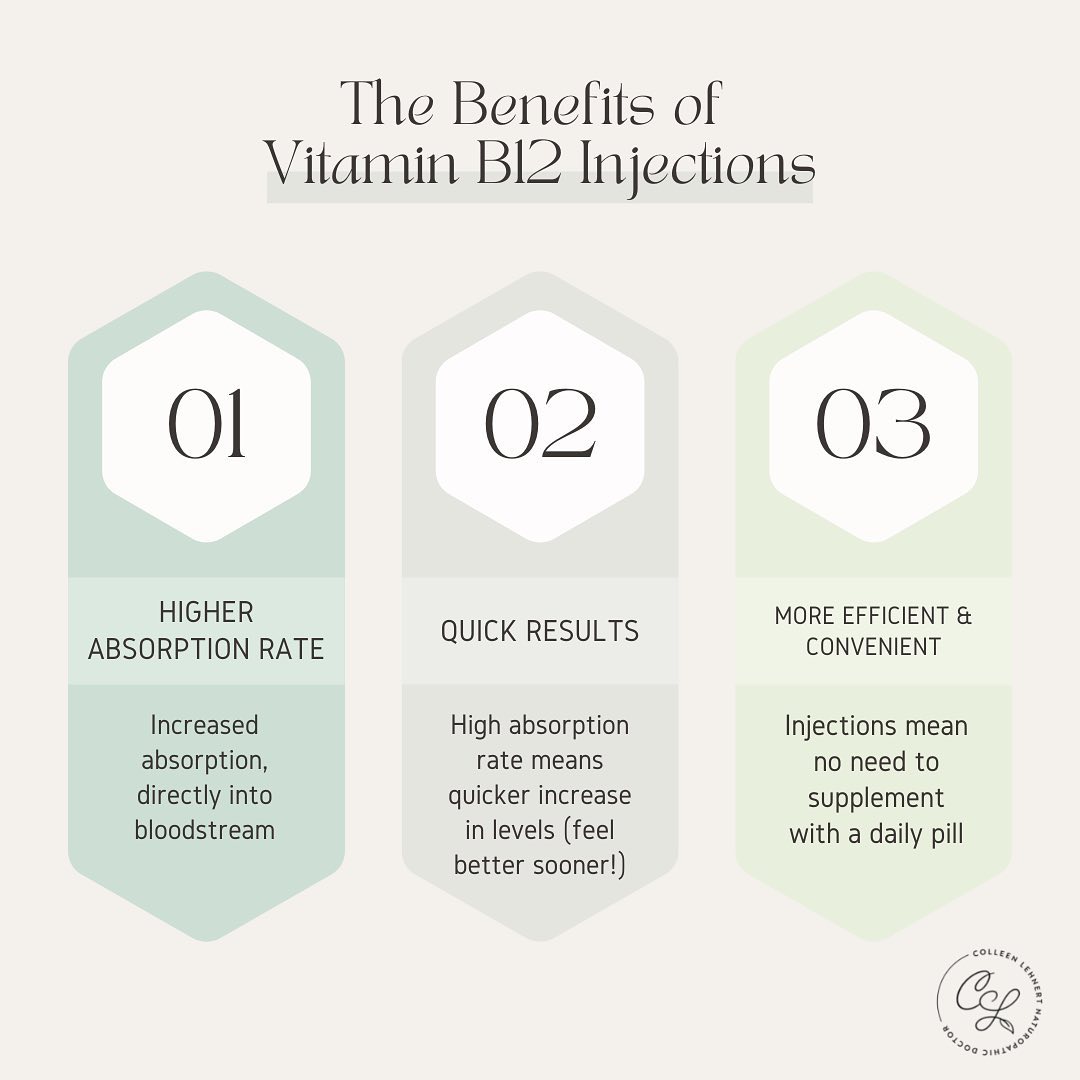
For many people, oral B12 can be effective, especially when deficiency is mild or when you can take supplements consistently. Injections may be preferred for convenience or specific clinical reasons, but they’re not automatically “better” for everyone. If your goal is to test whether B12 helps your energy or appetite, oral B12 is often a lower-risk starting point—then consider injections if a clinician recommends it.
A Practical 2-Week Experiment Framework
If you want to approach B12 lipotropic injections like a consumer review (not a leap of faith), here’s a simple 14-day test that helps you spot whether it’s worth continuing.
Before Day 1 (10 minutes):
- Pick one goal you can measure: energy (1–10), hunger/cravings frequency, sleep quality, or gym consistency.
- Choose a baseline: weigh once (same time of day), take progress photos if you want, and write down how you felt the morning before your first injection.
- Record your current dose schedule of any supplements (including oral B12).
Days 1–7:
- Get your injection as prescribed by the clinic.
- Track: energy score each afternoon, side effects (if any), and appetite/cravings prompts.
- Keep habits steady—if you change everything at once, you can’t tell what helped.
Days 8–14:
- Either schedule a second injection (if your clinic does weekly sessions) or follow their protocol for the timing you’re actually able to do.
- Assess whether any changes are meaningful to you (not just “I feel different”).
- If no improvement in energy or appetite awareness occurs by the end of the window—and side effects aren’t worth it—consider stopping or discussing alternatives rather than pre-buying a long series.
Decision rule: Continue only if you see at least one helpful change (energy, appetite awareness, workout consistency) that fits your cost and tolerability. If you see zero benefit and you’re not comfortable with risks, a pause is a valid consumer choice.
About the Author
Lily Carter is a health and wellness reviewer based in the United States. She focuses on evidence-aware consumer testing—tracking side effects, ingredients, pricing, and real-world outcomes rather than relying on before-and-after photos. Her writing draws on hands-on review style research, including consultations and post-protocol observations, and she emphasizes cautious expectations for products marketed for body composition.
Disclaimer: This article is for informational purposes and reflects a consumer-review style approach. It is not medical advice, and it doesn’t diagnose or treat any condition. If you suspect B12 deficiency or have health concerns, talk with a qualified clinician and consider appropriate lab testing.
Discussion