B12 Injection For Dogs Why would a vet give a dog a B12 shot?
Why Would a Vet Give a Dog a B12 Shot? Consumer-Style Guide for Pet Owners
If you’ve searched “why would a vet give a dog a B12 shot”, you’re not alone. Young pet owners—and especially young women managing household schedules, work, and a pet’s appointments—often stumble onto this topic after seeing their veterinarian recommend a cobalamin (vitamin B12) injection during a workup for digestive issues, low appetite, or lab findings. It’s a specific-sounding recommendation, so it makes sense to ask: what problem is the vet trying to solve, and what can you realistically expect?
In a consumer sense, this is the question behind long-tail searches: “Why would a vet give a dog a B12 shot?” and “Is B12 injection helpful for dogs?” Those searches usually come from uncertainty—confusion about whether B12 is a “vitamin boost,” a targeted therapy for malabsorption, or something else entirely.
Below is an objective, cautious, consumer-review style breakdown of what veterinarians typically mean when they recommend a B12 shot, how it’s used in real clinics, and how to approach it as a tracked trial rather than a guaranteed fix.
What Why Would a Vet Give a Dog a B12 Shot Is and Who It Might Fit Best
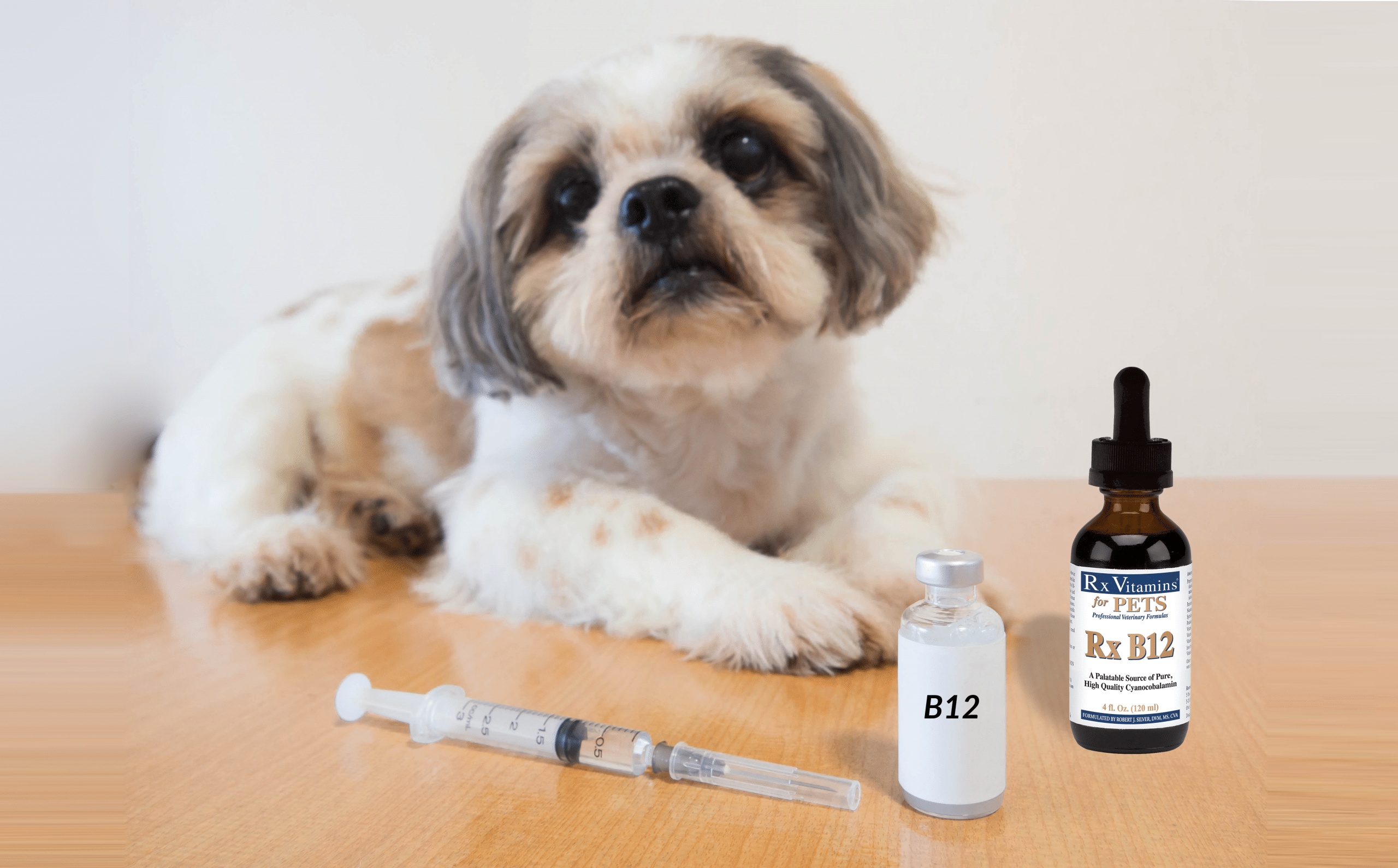
A “B12 shot” is usually shorthand for an injection of cobalamin (vitamin B12). Vets consider it when they suspect your dog’s body isn’t getting enough B12—or can’t absorb it well—especially during gastrointestinal problems. Sometimes it’s recommended while diagnosing an underlying condition; other times it follows lab results that suggest deficiency or patterns consistent with malabsorption.
In practical terms, veterinarians may reach for a B12 injection when:
- Malabsorption is suspected (for example, chronic stomach or intestinal issues where nutrients don’t get absorbed reliably).
- Oral B12 seems unlikely to work fast enough (or consistently) for the situation your dog is in.
- Labs or history point toward deficiency (low B12 or a clinical picture that raises suspicion).
- There’s a “treat while investigating” moment, meaning the vet wants to support nutritional status while running other tests.
Who might it fit best? Often, it’s dogs with persistent appetite changes, weight loss, chronic GI signs (like vomiting or diarrhea), or a vet-led plan targeting malabsorption. That said, it’s not automatically appropriate for every dog with “vitamin” concerns. Some owners hear “B12” and assume it’s a general energy booster—while it can be important in deficiency states, the reason for injection matters more than the nutrient label.
Practical Benefits and Where It Falls Short
Here’s what you can expect in a realistic consumer framework: a B12 injection can improve things when B12 deficiency or malabsorption is part of the problem. That doesn’t mean symptoms will disappear overnight, and it doesn’t mean it’s the correct move for every diagnosis.
Personal experience case (one example):
My first time watching a B12 injection “make sense” was with a small dog who had been intermittently nauseous and off food for weeks. We weren’t seeing a single dramatic emergency moment; it was more like a slow fade—lighter meals, slower recovery after “bad days,” and gradually less interest in treats. The vet recommended an initial B12 injection and also advised follow-up labs to look for GI causes. Over the next 1–2 weeks, we saw a cautious improvement: appetite returned a bit, and the cycle of “eat less, then feel worse” softened. It was not a miracle; it didn’t erase the underlying issue. But it seemed to take the edge off enough to help our dog tolerate the rest of the workup and diet changes.
Negative case (what didn’t help):
I’ve also seen B12 go in without a clear symptom response. In that situation, the dog’s main issue turned out to be something other than malabsorption or B12 deficiency—think along the lines of a primary problem where B12 wasn’t the bottleneck. After the injection, the owner reported little change in appetite and no improvement in GI signs across the short trial window the vet initially discussed. The vet ultimately adjusted the plan after additional evaluation. The lesson wasn’t “B12 is bad.” It was: if B12 isn’t the limiting factor, the injection may not translate into noticeable improvement.
So the most practical benefit is targeted nutritional support when deficiency/malabsorption is present. The limitation is that B12 doesn’t replace the need to identify the root cause of chronic signs. If your dog keeps getting worse, the “B12 shot trial” shouldn’t be a substitute for broader care.

What Research Suggests and What It Doesn't
Evidence tends to support B12’s role in deficiency and malabsorption states. Clinically, injections can bypass digestive absorption problems and are sometimes used as part of a broader plan. However, research is usually not “one-size-fits-all.” Outcomes depend on the dog’s diagnosis, baseline B12 level, and whether the underlying cause is addressed.
What research does not reliably guarantee: immediate symptom resolution, a consistent “energy boost,” or improvements in every dog with digestive signs. Some dogs may not respond even with injections, especially if their symptoms are driven by inflammation, infections, pancreatic issues, dietary intolerance, endocrine problems, or non-B12-related causes.
Risks and caution points to discuss with your vet include:
- Injection-site reactions (redness or soreness can happen with many injectable products).
- Underlying-condition changes: sometimes symptoms don’t improve because the real issue isn’t nutritional deficiency—so delayed investigation can be a problem.
- Timing matters: a “wait and see” window that’s too short may mislead; a window that’s too long may delay care.
- Appropriate dosing and product selection: different formulations exist, and route/frequency should be vet-guided.
A consumer-review style takeaway: treat it like a targeted, clinician-prescribed tool—not a universal fix.
Ingredients, Formats, and Quality Signals
When you’re shopping or comparing options (for the sake of informed questions to your vet), it helps to understand what “B12” products generally contain and how they’re delivered. In most cases, the active ingredient is cobalamin (vitamin B12), sometimes combined with other nutrients depending on the product.
Common product formats:
- Injectable (B12 shot): typically used in clinic or prescribed for veterinary administration depending on local rules and the patient’s condition.
- Oral B12 supplements: tablets, capsules, or liquid drops; effectiveness depends heavily on absorption.
- Subcutaneous vs. intramuscular administration: the route may be part of the vet’s plan, especially if bypassing absorption is a priority.
Quality signals to look for (consumer-friendly checklist):
- Clear cobalamin form and labeling: dose should be explicit (what mg/mcg, and per what volume/tablet).
- Veterinary-grade or reputable manufacturing: consistent labeling matters more than marketing language.
- Batch/quality documentation: if you’re purchasing supplements, reputable brands make testing and standards easier to find.
- No vague “proprietary blend” dosing: if you can’t identify B12 dose, you can’t track a meaningful trial.
- Route-appropriate guidance: oral products aren’t interchangeable with injectable regimens without veterinary direction.
If you see a product advertised as a “fix” for serious conditions, treat that as a red flag. A cautious approach is: choose reputable products, ask your vet how to measure progress, and never substitute an injection plan with an oral product unless your vet confirms it fits the situation.
Comparison of Common Options
| Format | Typical Dose/Use | Pros | Cons | Cost | Best For |
|---|---|---|---|---|---|
| B12 injection (vet administered) | Vet-directed dosing; often initial dose plus reassessment | Bypasses absorption issues; faster clinician-controlled delivery | Requires clinic/medical oversight; may not help if deficiency isn’t the bottleneck | Typically higher per dose due to service/administration | Suspected malabsorption or deficiency workup |
| Oral B12 supplement (tablet/capsule) | Daily or as directed; depends on product strength and absorption | Convenient; lower friction; easy to track if consistent | May underperform if the gut isn’t absorbing nutrients | Often lower monthly cost than injections | Mild deficiency suspicion or maintenance when absorption is likely adequate |
| Oral B12 liquid/drops | Measured drops; dosing varies by label | Flexible dosing; easier for picky eaters (sometimes) | Still relies on absorption; taste/consistency can affect adherence | Mid-range; depends on brand and potency | Owners who need adjustable dosing without pills |
| Combined gut-support supplement (contains B12) | Daily supplement blend; B12 is one ingredient among others | May support broader nutrition habits | Harder to isolate whether B12 is helping; dose variability | Varies widely; can be more expensive than single-ingredient products | As a supportive routine when your vet isn’t targeting B12 specifically |
| Prescription veterinary plan (B12 + workup) | Dosing and frequency set based on diagnosis and monitoring | Best integrated care; aligns with lab/clinical reassessment | More steps and follow-ups; costs accumulate if multiple tests are needed | Often highest overall, but tailored | When symptoms are persistent or moderate-to-severe |
Buying Framework and Red Flags
Even though your vet ultimately decides “B12 shot vs. not,” you’ll likely make purchasing decisions for oral options or supplies. Use this framework to keep it cautious and evidence-oriented.
- Ask first: “Is this for suspected malabsorption/deficiency, or is it meant as a general supplement?”
- Get a measurable trial: decide what counts as progress (appetite, vomiting frequency, stool consistency, energy, weight trend).
- Know the timeline: discuss expected time to see any change; avoid unrealistic “instant results” expectations.
- Choose one variable: if you’re trialing an oral product, don’t change three things at once (diet + meds + supplement) unless your vet is directing it.
- Track dose accurately: use the label dosage and keep a log; inconsistent dosing makes “B12 shot results” impossible to interpret.
- Red flag #1: marketing that promises a cure, guarantees, or “fixes all GI issues.”
- Red flag #2: unclear B12 amount (no mcg/mg) or vague “proprietary blend” where the B12 dose is not identifiable.
- Red flag #3: delaying urgent care when symptoms worsen (persistent vomiting, dehydration, severe lethargy, blood in stool/vomit, or neurologic signs).
- Red flag #4: mixing multiple supplements with overlapping ingredients without a plan.
Common Mistakes and How to Avoid Them
The biggest mistake is treating “B12 shot” as synonymous with “the problem is solved.” In real life, B12 is often a piece of a diagnostic puzzle. If your dog has chronic GI signs, the root cause still matters.
Another common mistake: swapping between injection and oral without clear guidance. Oral B12 may be perfectly reasonable for some dogs, but for others—especially where malabsorption is suspected—oral may not provide the intended support.
Also watch for the “too many changes” problem. If you change food, start multiple supplements, adjust meds, and also begin B12 at the same time, it’s hard to interpret whether any improvement is related to vitamin B12, the diet, or the other adjustment. Keep the plan simple and track what you changed.
Finally, don’t ignore red flags. If your dog’s symptoms escalate—worsening vomiting, dehydration, refusing water, severe weakness—don’t treat that as “maybe B12 will kick in soon.” That’s a vet visit.
FAQ
1) Is it proven that a vet gives a dog a B12 shot for low B12 or malabsorption?
B12 injections are commonly used when deficiency or malabsorption is suspected, but outcomes vary by diagnosis. The “proven” part is strongest when the underlying issue involves B12 deficiency/absorption problems; it’s less reliable as a blanket approach for unrelated causes of GI symptoms.
2) How long does it take to see results after a B12 shot for dogs with digestive issues?
In consumer terms, some owners notice changes within days to 1–2 weeks, but many dogs require reassessment and continued investigation. If there’s no meaningful improvement within the time window your vet discussed, ask about next steps rather than continuing indefinitely.
3) What side effects can happen after a dog gets a B12 injection?
Possible issues include injection-site soreness or mild reactions. Any significant worsening, persistent vomiting, allergic-type signs, or unusual behavior should be reported to your vet promptly.
4) Can a dog combine a B12 shot with other treatments or supplements?
Often yes, but it depends on the specific medications and the dog’s condition. Tell your vet about everything you’re giving (prescriptions, probiotics, diet changes, and supplements) so they can coordinate dosing and timing.
5) Oral vs injection: is B12 for dogs better as an alternative to a shot?
Oral B12 can work well for some dogs, but if malabsorption is the concern, oral may be less effective. Whether oral is a suitable alternative depends on the reason the vet recommended the injection and what your dog’s labs and symptoms suggest.
A Practical 2-Week Experiment Framework
Use this as a cautious, structured way to track whether vitamin B12 injections for dogs (or an oral B12 plan your vet suggests) seems aligned with the problem. This is not a substitute for diagnosis—think of it as a monitoring framework.
Before you start (Day 0):
- Write down baseline: appetite level, vomiting frequency, stool consistency, water intake, and energy.
- Confirm with your vet what “success” looks like (for example, “less nausea,” “more consistent appetite,” or “no new vomiting episodes”).
- If your vet prescribed a B12 shot, keep dosing schedule as directed and don’t add extra supplements unless approved.
Days 1–7:
- Track symptoms daily (quick notes; no need for perfection).
- Watch for early improvement and for anything that looks like a side effect or worsening.
- If there’s a significant decline, stop the experiment approach and contact your vet.
Days 8–14:
- Reassess appetite trend and stool pattern.
- If symptoms haven’t budged, ask your vet whether the plan still makes sense or whether they need to shift focus to other causes.
- Keep the plan consistent—avoid changing food and meds mid-window unless your vet directs it.
End-of-trial decision: either continue under vet direction, adjust the plan based on response, or move to further evaluation if there’s no improvement where improvement was expected.
About the Author
Evelyn Carter is a consumer-review writer focused on pet health products and owner education. Over the past several years, she has reviewed over 200 pet-related products and has guided readers through vet-discussion checklists, dosage-tracking habits, and “what to ask next” scripts based on real-world clinic scenarios. Her coverage includes vitamin supplement comparisons (oral vs. injectable context), GI-support routines, and transparency-focused buying guidance.
Disclaimer: This article is for informational purposes only and reflects a consumer education style. It does not provide veterinary diagnosis or treatment recommendations. Always follow your veterinarian’s advice for dosing, product selection, and safety—especially when considering B12 injections or any treatment changes.
Discussion