prickly pear cactus seed Prickly Pear Cactus Seeds (Opuntia ficus-indica) – Edible Pads and Fru –  Terra Mater Gardens
SKU: 60176490565
prickly pear cactus seed

prickly pear cactus seed Prickly Pear Cactus Seeds (Opuntia ficus-indica) – Edible Pads and Fru – Terra Mater Gardens

Sale price$21.80 Regular price$24.22
Save 10%

Pay in installments of $6.05 with ShopPay, AfterPay and Klarna

Shipping Estimate
USA
  • USA
  • CAN

Ships within 48 hours · Estimated delivery Jul 5 - Jul 10

Promo Codes Available:

For Your Every Summer RSVP, with Code: SUMMER15

Description

prickly pear cactus seed Prickly Pear Cactus Seeds (Opuntia ficus-indica) – Edible Pads and Fru – Terra Mater GardensMinimum: 15+ seeds The Prickly Pear, commonly known as Opuntia ficus indica, is a species of cactus native to Mexico and the southern United States. It is well known for its flat, paddle shaped pads and edible fruit, called "tunas." This cactus has become popular in gardens and landscapes due to its ornamental value, drought tolerance, and culinary uses. Characteristics Size: Typically grows to about 3 to 10 feet tall, depending on the variety and

Minimum: 15+ seeds

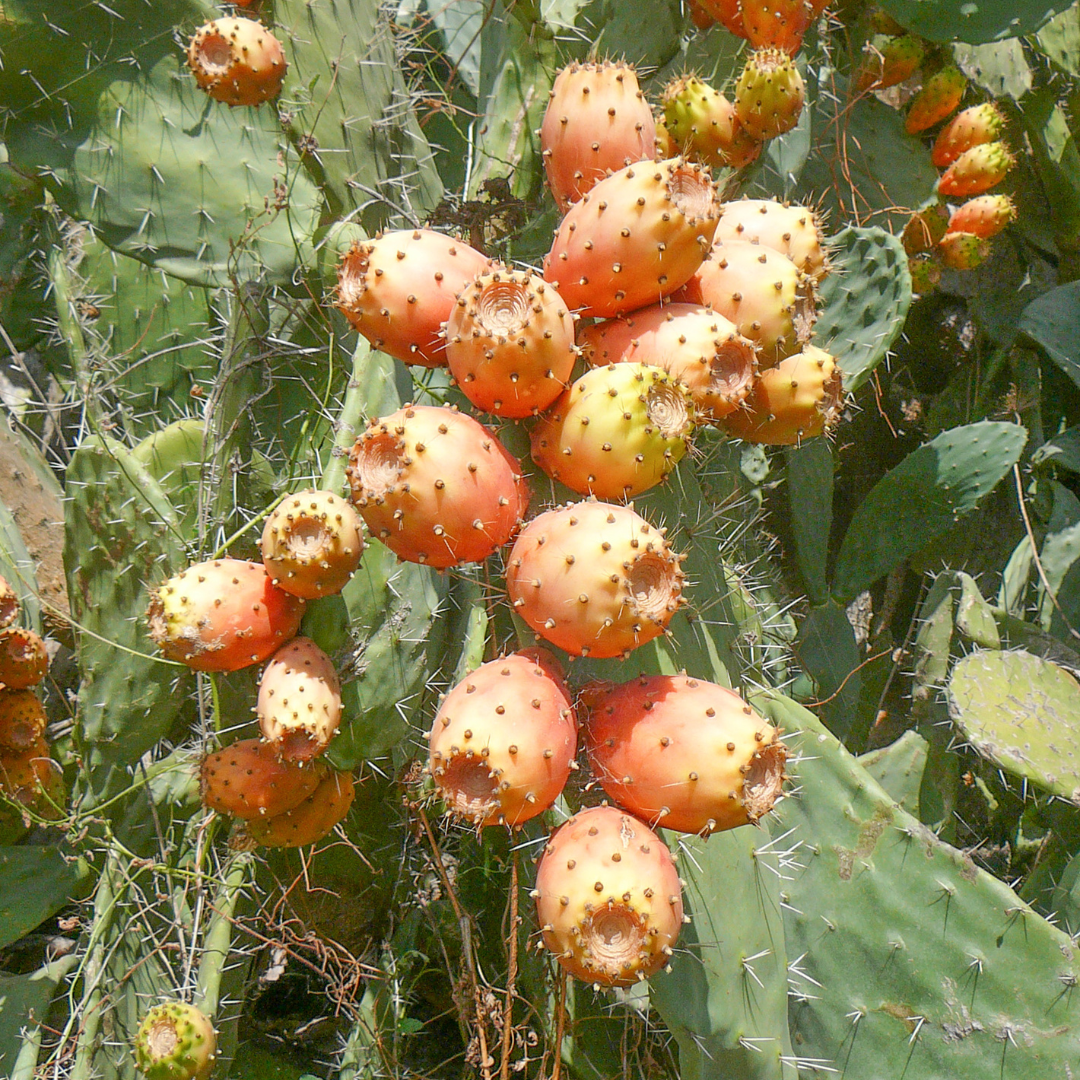
The Prickly Pear, commonly known as Opuntia ficus-indica, is a species of cactus native to Mexico and the southern United States. It is well-known for its flat, paddle-shaped pads and edible fruit, called "tunas." This cactus has become popular in gardens and landscapes due to its ornamental value, drought tolerance, and culinary uses.

Characteristics

  • Size: Typically grows to about 3 to 10 feet tall, depending on the variety and growing conditions.
  • Pads: Features flat, oval pads that can grow up to 12 inches long and 6 inches wide. The pads have a green color that can take on a yellowish or purplish hue in colder temperatures.
  • Color: The pads are covered in small, hair-like spines called glochids, which can be irritating if touched. The plant also produces bright yellow flowers during the blooming season.
  • Flowers: The flowers bloom in late spring to early summer and are often yellow or orange, attracting pollinators such as bees and butterflies.
  • Fruit: Produces edible fruits known as "tunas," which can be red, yellow, or green when ripe. The fruit is sweet and juicy, with a flavor similar to watermelon.

Growing Conditions

  • Light: Prefers full sun and thrives in bright, direct sunlight. It can tolerate partial shade but will grow best with at least 6 hours of direct sunlight per day.
  • Soil: Requires well-draining soil, ideally a cactus or succulent mix. Sandy or rocky soils that allow for good drainage are ideal.
  • Water: Water sparingly, allowing the soil to dry out completely between waterings. During the growing season (spring and summer), water more frequently, but reduce watering during the dormant winter months.
  • Temperature: Hardy in USDA zones 9 to 11. It prefers warm temperatures and can tolerate brief periods of cold but should be protected from frost.

Care

  • Fertilization: Fertilize during the growing season with a balanced cactus fertilizer to encourage growth and fruit production. Avoid fertilizing in the winter when the plant is dormant.
  • Pests/Diseases: Generally resistant to pests, but may occasionally be affected by scale insects or mealybugs. Good air circulation and proper watering practices can help prevent fungal diseases.

Benefits

  • Aesthetic Appeal: The unique appearance of the pads and vibrant flowers make it an attractive addition to gardens and landscapes, particularly in xeriscaping.
  • Edible Fruit: The fruit is not only delicious but also nutritious, rich in vitamins and antioxidants, making it a healthy food source.
  • Wildlife Attraction: The flowers attract various pollinators, enhancing biodiversity in the garden.

Uses

  • Ornamental: Commonly grown for its ornamental value, particularly in desert and Mediterranean-style gardens.
  • Culinary: The pads can be cooked and eaten (known as "nopales"), while the fruit can be eaten raw, used in drinks, or made into jams and jellies.

Additional Notes

  • Propagation: Can be propagated from pads or seeds. Allow cuttings to dry for a few days before planting to prevent rot.
  • Container Growth: Suitable for growing in pots, which allows for mobility and ease of care.

Conclusion

The Prickly Pear (Opuntia ficus-indica) is a versatile and attractive cactus known for its distinctive pads and edible fruit. With proper care and growing conditions, it can thrive in various environments, providing both aesthetic value and culinary benefits. Its ability to attract pollinators and tolerate drought makes it a valuable addition to any garden or landscape.

Shipping Notes
  • Free Standard Shipping on $100+ Orders to the USA.
  • Except Preorder products are shipped in 48 hours.
  • Delivery to the USA:
  1. Standard Shipping : 3-10 business days
  • If time is of the essence, please consider selecting expedited delivery for faster service.
Exchange/Return Notes
  • We offer a 30-day return/exchange service after receiving.
  • Final sale items are not eligible for returns or exchanges.
  • To process your return/exchange, please contact us at [email protected]
  • Please click here for more details>>> Return & Exchange Policy
SKU: 60176490565

Discover Niche Categories That Outsell prickly pear cactus seed

Top-Converting Item to Boost Your Average Order

4.4 ★★★★★
Based on 1398 reviews
Sort
Highest Rating
Newest First
Oldest First
Product Reviews
M
Verified Purchase
Mitch
Grantham, US
★★★★★ 5
Our German Sheppard loves these
Size: Medium
These cost a bit more than tennis balls, but they are so much nicer and longer lasting. For starters, they stay cleaner than tennis balls because they’re smooth rubber. Dirt won’t build up on them and if anything does stick, like grass or soil, it falls off once the dog slobber dries. They’re also thick, so they don’t fall apart or blow out like a normal tennis ball does in our dog’s jaws after 30 seconds. Our GS chomps on these like crazy and the only damage they’ve suffered is a crack that developed from the edge of the hole, but the crack is growing very slowly and none of these balls have totally failed yet. The balls do whistle when thrown ant high speed and that may help a dog track and locate it, but I’m not sure. Our neighbors hear the whistling too so it’s far from silent. Lastly the orange ball is easy to locate out in our yard, but the dark blue practically disappears.
WAS THIS REVIEW HELPFUL?YesReportShare
Reviewed in the United States on April 6, 2025
C
Verified Purchase
Casey B
Birmingham, US
★★★★★ 5
Great for smaller dogs
Size: Small
These two balls are perfect for the smaller mouthed dog that loves to play fetch. These balls are not only super durable (lots of teeth biting), but float in the baby pool we use for our miniature dachshunds. The value here is much better than you’d find anywhere else. The noise, if bitten hard enough, was “low” at best. Easy to spot/find if overthrown. Will definitely buy again once these are in bad repair; so far, so good-love these for my fur babies!
WAS THIS REVIEW HELPFUL?YesReportShare
Reviewed in the United States on October 8, 2024
E
Verified Purchase
E. Schall
Houston, US
★★★★★ 5
My dogs favorite balls
Size: Medium
These are great for my dog who always has to have a ball in her mouth. Not too hard so I don't have to worry about her teeth. They last for ever. They do lose their shape a little over time (like I said, she always has a ball in her mouth) they become a little oval in shape. They still bounce, she still chases it and she still chews on it so I don't think she notices or cares. I've gotten her a bag full of these over time and I have only seen one that she chewed a chunk out.
WAS THIS REVIEW HELPFUL?YesReportShare
Reviewed in the United States on September 28, 2023
K
Verified Purchase
Kimmie is happy
Los Angeles, US
★★★★★ 5
My Dachshunds Love These
Size: Small
These balls are durable, flexible material, highly chewable without being easily destroyed. I stuff them with Milkbone Maro Snacks, which are just the right size to twist into the holes in the ball. My dogs literally get an hour+ chewing and chasing entertainment from these. They chew them, they sometimes 'pop' out of their mouths, go rolling across the floor, dogs chasing them. This satisfies their urge to hunt prey. Dachshunds can easily tear this kind of stuff-it-toy apart. These have lasted for a long time without tearing or shredding. I would NOT recommend them for a dog much larger than a tweenie weenie. They're a bit on the small side and might be swallowed by a larger dog. It would be cool it they also came in a larger size (and probably ball wall thickness also) for the bigger dogs to enjoy. These stuff-it chew balls are better than the kong balls my dogs had before these. Highly recommend them.
WAS THIS REVIEW HELPFUL?YesReportShare
Reviewed in the United States on April 19, 2024
L
Verified Purchase
LJ
Bozeman, US
★★★★★ 5
My puppy’s favorite fetch toy!
Size: Small
Update Aug 27, 2024: After 10 months, these are still his favorite ball. He’s obsessed with fetching and plays with them all day. They do bounce really high. Unfortunately, the small size aren’t available for sale anywhere anymore. I tried the medium size, and he has a bit of trouble hanging on to them, but he manages. Weirdly, he prefers the orange one, but he also plays with the blue one. My 7 month old Shih Tzu puppy loves to fetch, and these are his new favorites. They’re small enough to fit in his mouth, and they are made of hard plastic, so he’s able to hold on to them. They have a lot of bounce, and this adds to the fun for him. I highly recommend them.
WAS THIS REVIEW HELPFUL?YesReportShare
Reviewed in the United States on December 17, 2023

recommand products